

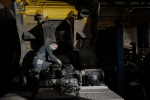
Maintaining a safe workshop is a challenge that evolves with changing workloads, seasons, and fleet sizes. Industry experts consistently emphasize that preventing accidents in heavy-duty truck repair facilities requires more than compliance. It demands proactive practices and reliable equipment.
Every year, thousands of maintenance accidents occur due to unsecured dump beds, improper support systems, and lapses in routine safety procedures. Understanding and implementing the lessons shared by seasoned professionals can dramatically reduce risks, improve workflow efficiency, and protect technicians throughout the year.
Understanding the Core Risks in Truck Repair
Technicians face numerous hazards daily, from heavy components to hydraulic systems. Among the most critical risks is working under a raised dump bed without certified support. Even minor misalignments or hydraulic failures can result in catastrophic injuries. Experts agree that recognizing these hazards is the first step toward implementing effective safety protocols.
Key risks include:
- Unsecured dump beds: Sudden lowering can cause severe injuries.
- Faulty or improvised supports: Wooden blocks or chains lack reliability.
- Inadequate lighting: Poor visibility increases errors.
- Fatigue and human error: Long hours and repetitive tasks contribute to accidents.
Experts suggest combining reliable equipment with structured workflows to reduce exposure to these dangers.
The Role of Certified Truck Bed Locks
Truck bed locks are not optional; they are essential. Industry leaders highlight that properly designed truck bed locks offer consistent support, protect against hydraulic failures, and provide technicians with confidence while performing under-bed repairs.
Benefits of certified truck bed locks include:
- Load stabilization: Keeps the dump bed securely in place.
- Rapid deployment: Easy to engage for efficient workflow.
- Universal compatibility: Fits a wide range of truck frames.
- Durability: Built to withstand repeated use in demanding environments.
Technicians report that using these locks consistently reduces stress and enhances focus, leading to fewer errors during maintenance.
Dump Bed Safety Support Systems: An Expert Perspective
Alongside bed locks, dump bed safety support systems are critical. Experts recommend integrating these systems into standard workshop procedures to ensure that the risk of sudden drops is minimized. These supports provide redundancy; if the hydraulic system fails, the bed remains safely elevated.
Key advantages include:
- Enhanced technician confidence: Staff can focus on repairs rather than worrying about bed stability.
- Compliance with safety regulations: Supports help meet workplace safety standards.
- Versatility: Adjustable systems fit various truck sizes and weights.
Workshop managers note that supporting a safety-first culture with these systems is far more effective than relying on improvisation or outdated props.
Ongoing Training and Safety Culture
Equipment alone is not enough. Experts emphasize the importance of continuous training and a strong workshop safety culture. Routine safety briefings, refresher courses, and hands-on demonstrations help technicians understand how to use dump body safety props and other truck repair safety equipment properly.
Practical steps include:
- Regular drills: Practice engaging and releasing truck bed locks.
- Equipment inspections: Check supports, locks, and props for wear or damage.
- Peer review: Encourage staff to monitor and reinforce proper safety procedures.
- Documentation: Maintain records of safety checks and training sessions.
Organizations that foster a proactive safety culture often report fewer incidents and higher staff satisfaction.
Seasonal Adjustments and Winter Safety
Year-round safety requires adapting to seasonal challenges. Winter brings icy floors, reduced daylight, and colder hydraulic systems. Industry experts recommend additional precautions during these months, including:
- Ensuring anti-slip surfaces around the workspace
- Checking hydraulic fluid viscosity and cylinder response
- Using winter-rated dump bed safety support systems
- Providing additional lighting for shorter days
By preparing for seasonal hazards, shops can maintain the same high safety standards regardless of weather conditions.
Integrating Safety Equipment into Daily Workflow
Experts also highlight that the most effective safety strategies integrate equipment usage seamlessly into daily operations. When truck bed locks and dump bed safety props become standard practice rather than optional tools, technicians instinctively follow safe procedures.
Tips include:
- Pre-shift equipment checks to ensure all supports and locks are functional.
- Clear designation of safe zones around raised beds.
- Standard operating procedures that require engaging all safety devices before any repair begins.
- Feedback loops to continually improve processes based on incidents or near-misses.
Consistent application of these practices ensures safety becomes habitual, not situational.
Measuring Success and Continuous Improvement
Tracking safety metrics is essential. Experts recommend documenting near-misses, equipment malfunctions, and injuries. Regular audits help identify gaps in procedures and equipment usage.
Key performance indicators include:
- Frequency of bed lock usage
- Number of reported near-misses
- Technician compliance with support placement protocols
- Reduced downtime due to accidents
By analyzing these metrics, workshops can refine their practices and enhance safety outcomes continuously.
Final Word: Learn From the Experts
The lessons shared by industry leaders point to one truth: proactive safety practices, combined with certified equipment like truck bed locks and dump bed safety support systems, significantly reduce risks in heavy-duty repair facilities. When technicians feel secure, shops operate more efficiently, and the potential for accidents declines dramatically.
Ensure Your Workshop is Protected Year-Round!
BedLock Safety Products, LLC, provides certified truck bed locks, dump bed safety support, and other truck repair safety equipment designed to protect technicians and reduce risk. Their products help shops maintain a high safety standard throughout the year. Contact BedLock Safety today!
About the Author
A seasoned professional in heavy-duty truck repair, the author focuses on operational safety, workflow efficiency, and equipment best practices, sharing practical strategies for safer maintenance facilities.