

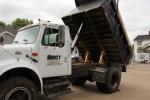
The world of dump trucks truck repair is a constant hum of activity. Mechanics work tirelessly to diagnose and fix complex issues, ensuring these vital transportation workhorses get back on the road efficiently. However, within this fast-paced environment, prioritizing worker safety remains an absolute necessity.
According to the Bureau of Labor Statistics (BLS), in 2022, transportation equipment maintenance workers experienced a nonfatal injury rate of 7.0 per 100 full-time workers, significantly higher than the national average of 3.4. These injuries can have devastating consequences, not only for the worker's health and well-being but also for the productivity and morale of the entire repair shop.
However, the good news is that many of these injuries are preventable. By fostering a culture of safety in your truck repair shop and investing in truck safety products, you can significantly reduce the risk of accidents and create a work environment where everyone feels valued and protected.
In this blog post, we'll explore 10 actionable strategies you can implement to cultivate a safety-conscious culture in your shop and contribute to overall dump truck repair safety. These strategies, aligned with the latest health and safety standards set by OSHA (Occupational Safety and Health Administration), will empower your employees and keep your business running smoothly.
1. Implement Regular Safety Training
Invest in comprehensive safety training programs for all your employees. This training should cover various aspects of dump truck repair safety, including hazard identification, proper lifting techniques, working with hazardous materials, and emergency procedures. Regularly update these programs to reflect any changes in regulations or new equipment in the shop.
2. Prioritize Personal Protective Equipment (PPE)
Provide all your employees with the appropriate PPE for the tasks they perform. This may include safety glasses, gloves, respirators, steel-toed boots, and high-visibility clothing. Ensure they understand the importance of wearing their PPE correctly and at all times. Regularly inspect and replace worn-out PPE to maintain optimal protection.
3. Conduct Regular Safety Inspections
Proactive safety measures are key. Establish a routine for conducting thorough safety inspections of your shop. Look for potential hazards like electrical problems, spills, leaks, and cluttered walkways. Address any issues identified promptly to prevent accidents. Encourage employees to report any safety concerns they encounter as well.
4. Foster Open Communication
Create a work environment where open communication regarding worker, workplace, and dump truck safety is encouraged. This allows employees to raise concerns about unsafe practices or equipment without fear of reprisal. Implement mechanisms for anonymous reporting if needed. Address all safety concerns swiftly and take necessary corrective actions.
5. Develop Safe Work Procedures
Establish clear and concise safe work procedures for every task performed in your shop. These procedures should outline the steps involved, identify potential hazards, and specify the required PPE and truck repair safety equipment to be used. Ensure these procedures are readily accessible to all employees and conduct regular training on them.
6. Implement a Hierarchy of Controls
Focus on eliminating hazards at the source whenever possible. When complete elimination is not feasible, implement engineering controls such as ventilation systems or machine guards. Consider administrative controls like work permits or restricted access areas for high-risk tasks. Utilize PPE as the last line of defense.
7. Empower Employees to Stop Unsafe Work
Empower your employees to stop any work they perceive as unsafe. This could be due to faulty equipment, hazardous conditions, or inadequate knowledge about dump truck repair safety. Encourage them to report these situations immediately to a supervisor or safety representative. Address their concerns seriously and provide support and the appropriate truck safety equipment for stopping unsafe practices.
8. Lead by Example
As a business owner or manager, your commitment to safety sets the tone for the entire shop. Consistently wear proper PPE, use the correct safety equipment for trucks, adhere to safety procedures, and demonstrate a proactive approach to risk identification and mitigation. Your actions speak volumes and encourage employees to embrace a safety-first mentality.
9. Recognize and Reward Safe Behavior
Celebrate safety achievements within your shop. Recognize employees who consistently follow safety protocols or identify and report potential hazards, particularly with regard to dump truck safety. Publicly acknowledge their contributions and offer incentives for safe behavior. This positive reinforcement reinforces the importance of safety and motivates others to follow suit.
10. Invest in High-Quality Truck Repair Safety Equipment
Equipping your shop with the right tools can significantly enhance dump truck repair safety. Consider investing in high-quality truck bed locks, dump bed safety supports, and dump body safety props. These tools prevent accidental lowering of beds and boxes, ensuring the safety of your technicians while working underneath them.
We've found that BedLock Safety Products offers some of the best truck safety equipment in the market. Their all-American-made truck body props are not only heavy-duty but also constructed from robust materials, providing superior worker protection.
The Best Truck Safety Equipment On The Market
Looking to elevate your truck repair shop's safety standards? BedLock Safety Products is a leading truck repair safety equipment manufacturer. Their dump bed safety supports can be relied on for the highest standards of dump truck repair safety. They serve customers across the US and globally.
Visit their website or contact them today to explore their comprehensive range of truck safety products and create a safer work environment for your team.
About The Author
The author is a seasoned truck repair shop owner on the East Coast. With years of experience under the hood, beneath dump beds, and a commitment to safety instilled during their service, he is passionate about creating a safe and productive work environment for all