Respiratory health is fundamental to overall well-being. Lungs, bronchi, and the respiratory tract support oxygen intake, enabling every other system to function. Yet, millions globally suffer from respiratory conditions, many of which are preventable or manageable with early detection. Preventive screenings serve as a first line of defense against chronic respiratory diseases, offering an opportunity to detect issues before they become severe.
This piece outlines the importance of early detection, the types of screening available, who should get screened, and how preventive care supports better respiratory outcomes.
Why Respiratory Screenings Matter
Preventive respiratory screenings help identify lung conditions in their earliest stages. Conditions such as asthma, chronic obstructive pulmonary disease (COPD), tuberculosis, and lung cancer often show subtle symptoms early on or remain asymptomatic. Without early testing, these issues may go unnoticed until they worsen.
Benefits of Early Detection:
- Supports timely treatment and better health outcomes
- Reduces long-term healthcare costs
- Slows disease progression
- Improves quality of life
- Prevents emergency hospital visits
Common Respiratory Conditions Detected Through Screenings
Regular screenings help identify the following conditions:
- Asthma: A chronic condition that affects the airways, causing them to become inflamed and narrow, leading to difficulty breathing. Asthmacan be controlled through medications and lifestyle changes, but only if diagnosed early.
- COPD: Chronic obstructive pulmonary disease (COPD) is a group of lung diseases. These include chronic bronchitis and emphysema, which cause airflow blockage and breathing problems. COPD can be detected through simple pulmonary tests, and early management can prevent further lung damage.
- Tuberculosis (TB): A bacterial infection that primarily affects the lungs but can spread to other parts of the body. TB screenings are essential for early detection, especially in high-risk populations, as untreated TBcan lead to serious health complications.
- Lung Cancer: A leading cause of cancer-related deaths worldwide. Low-dose CT scanscan detect lung cancer at an early stage, which can improve survival rates and treatment options.
- Pulmonary Fibrosis: A progressive lung disease where the tissue in the lungs becomes scarred, making it difficult to breathe. Detecting pulmonary fibrosisearly allows for better disease management, improving life expectancy and reducing symptoms.
- Sleep Apnea: A condition in which a person's breathing repeatedly stops and starts during sleep. Screenings, such as sleep studies, can diagnose sleep apnea, which can lead to other health problems like hypertension if left untreated.
Who Should Get Screened?
Respiratory screenings are not only for those showing symptoms. Several groups are at a higher risk of developing respiratory issues and should undergo regular check-ups:
- Smokers or ex-smokersover age 40
- Individuals exposed to environmental pollutants or workplace toxins
- People with chronic coughs or breathing difficulties
- Individuals with a family history of lung disease
- Patients with frequent respiratory infections
- Elderly individuals, due to the natural decline in lung function
- People with comorbid conditionslike diabetes or heart disease
Types of Preventive Respiratory Screenings
Several tests and procedures help assess respiratory function:
1. Pulmonary Function Tests (PFTs)
- Measure lung capacity and airflow
- Identify obstructive or restrictive lung disease
2. Chest X-rays
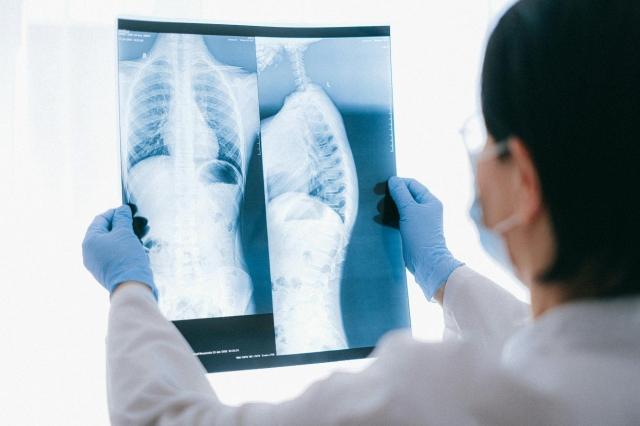
- Detect infections, tumors, and structural abnormalities
3. CT Scans
- Provide detailed images for early cancer detection or fibrosis
4. Sputum Tests
- Analyze mucus for signs of infection or TB
5. Sleep Studies
- Diagnose sleep apnea and related issues
6. Spirometry
- Measures the amount and speed of air inhaled and exhaled
Frequency of Screenings
There is no one-size-fits-all approach. The frequency depends on age, risk factors, medical history, and lifestyle. However:
- High-risk individuals, such as smokers or those with occupational exposure, should consider getting screened annually or as advised by their doctor.
- Patients with chronic conditions, like asthma or COPD, should have regular follow-ups to monitor their lung health and adjust treatment plans accordingly.
- General adultsshould undergo screenings as part of their routine physical exams, especially if they are at risk for developing respiratory conditions.
Preventive Measures Beyond Screening
Screenings are part of a broader respiratory health strategy. Prevention also involves:
- Quitting Smoking: Smoking is the leading cause of COPD and lung cancer. Quitting smoking reduces the risk of respiratory diseases and improves lung function.
- Wearing Protective Gear: Individuals exposed to pollutants or harmful substances at work should wear protective gear, such as masks, to minimize exposure.
- Vaccinations: Getting vaccinated against the flu and pneumonia can prevent respiratory infections, which can worsen existing lung conditions.
- Staying Physically Active: Regular physical activity helps maintain lung health by improving oxygen capacity and overall fitness.
- Improving Air Quality: Using air purifiers, keeping living spaces free of pollutants, and avoiding second-hand smoke can reduce the risk of respiratory issues.
- Seeking Early Treatment: If symptoms like coughing, wheezing, or shortness of breath persist, seeking medical attention promptly can prevent more serious complications from developing.
Challenges and Misconceptions
Many people avoid preventive screenings due to myths or a lack of awareness. Common misconceptions include:
- “No symptoms mean no problems.”
- “Only smokers get lung disease.”
- “Screenings are expensive or inaccessible.”
In reality, many respiratory diseases develop quietly. Modern screenings are widely available and often covered by insurance or government programs. Delaying care can result in more aggressive treatment needs later on.
My Dr's Note: Supporting Health Through Documentation and Leave
Managing illnesses often requires time off work or school for recovery or treatment. In such cases, a real doctor's note for work or school becomes necessary for formal documentation. That's where My Dr's Note provides reliable support.
This platform helps individuals get a doctor's note online quickly, without long wait times. If you're managing an illness, you can get a doctor's note online with ease. My Dr's Note also provides FMLA certification for leave. Contact them today!
About the Author
The author is a public health writer with a background in healthcare education. With over eight years of experience in patient advocacy and medical communications, she's passionate about promoting early detection and preventive healthcare through accessible content.