

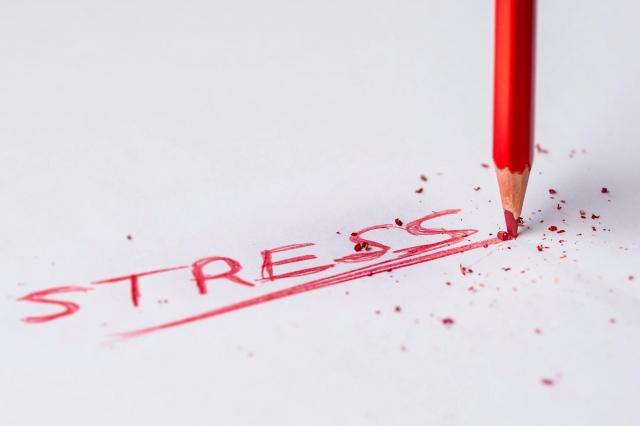
Seasonal stress increases during busy months. Work deadlines, financial pressure, family duties, cold weather, academic demands, and holiday planning raise both emotional and physical tension.
The immune system responds to these conditions, and ongoing stress reduces the body's ability to defend itself against infections. Stress management is, therefore, an important part of staying healthy during the colder months.
This article explains how stress affects immunity and presents realistic routines that help maintain mental balance and physical resilience.
Why Seasonal Stress Changes the Immune Response
Stress triggers physiological reactions. When a person feels pressured or overwhelmed, the body releases cortisol and adrenaline. These hormones prepare the body to respond to challenges, but when they stay elevated for too long, immune strength decreases.
Key effects include:
- Lower production of white blood cells is needed to fight infection
- Higher inflammation levels throughout the body
- Slower recovery from illness or injury
- Disrupted sleep patterns that interfere with immune regulation
- Reduced appetite or emotional eating, both of which affect nutrient status
During demanding months, the immune system must work harder while the body experiences reduced support. This combination makes seasonal stress a risk factor for colds, flu, and prolonged fatigue.
Emotional Stress and the Immune System
Emotional stress during high-pressure seasons affects both mental and physical states. Feelings of worry, irritability, frustration, or pressure can activate the sympathetic nervous system. When this state repeats daily, the immune response becomes weaker.
Common emotional triggers include:
- Work deadlines and unfinished tasks
- Academic pressure around exams or submissions
- Family expectations during holidays
- Financial concerns during seasonal events
- Loneliness or social conflict
Emotional overload influences the immune system because the body prioritizes stress hormones instead of immune-supporting processes such as tissue repair, antibody production, and inflammation control.
Physical Stress and Low Immunity
Seasonal stress is not only emotional. The body faces physical strain during colder months and busy periods. These physical stressors place additional demand on immune function.
Examples of physical stress that impact immunity:
- Lack of sleep due to workload or holiday schedules
- Increased screen time and reduced outdoor activity
- Skipping meals or eating fast food due to time pressure
- Overtraining or physical fatigue during the sports season
- Dehydration during winter due to lower thirst signals
All these factors reduce the body's ability to fight infections. The immune system requires consistent sleep, balanced nutrition, and stable routines. When routines break, immune strength declines.
Signs That Seasonal Stress Is Affecting Immunity
People often notice early warning signals before frequent illness develops. Recognizing these signals can help prevent more serious symptoms.
Common indicators include:
- Low energy that does not improve with rest
- Trouble concentrating
- Frequent headaches or muscle tension
- Increased cold symptoms or slow recovery
- Digestive discomfort and appetite changes
- Sleep difficulties, such as waking frequently or difficulty falling asleep
These signs reflect both immune pressure and stress overload. Identifying them early supports timely management.
How Calming Routines Help Immunity
Consistent calming habits reduce stress load and support balanced immune function. These routines do not need to be complicated. They work best when repeated daily.
Helpful calming routines include:
- Slow breathing exercises for 5 to 10 minutes
- Warm herbal tea in the evening to signal rest
- Brief morning light exposure to regulate mood and sleep rhythm
- Quiet time without screens before bed
- Light stretching or a short walk after work to release tension
- A fixed bedtime and waking time throughout the week
These routines calm the nervous system and support the immune system's normal function.
Practical Mindset Shifts That Support Immune Health
Mindset changes help reduce emotional stress and create a more stable internal state. Small shifts in thinking make seasonal demands feel more manageable.
Helpful mindset adjustments include:
- Separating tasks into small batches instead of multitasking
- Saying no to optional commitments during busy weeks
- Allowing realistic expectations rather than perfection
- Pausing before responding when tension builds
- Accepting that rest supports productivity instead of interrupting it
Balanced thinking supports immune health because lower stress keeps cortisol levels stable and allows immune activity to continue uninterrupted.
Nutrition Strategies to Reduce Stress Impact on the Immune System
Food patterns influence immunity because nutrients support cellular defense and inflammation control. During stressful seasons, balanced eating becomes important.
Supportive nutrition practices include:
- Regular meals with proteins, fruits, vegetables, and whole grains
- Consistent hydration throughout the day
- Limiting sugary snacks during pressure periods
- Magnesium-rich foods like nuts, legumes, and leafy greens to support relaxation
- Vitamin C and zinc from citrus fruits, berries, pumpkin seeds, and legumes
- Probiotics from yogurt or fermented foods for gut-immune support
When the body receives steady nutrients, the immune system stays more stable during stressful conditions.
Long-Term Stress Management and Immunity Protection
Long-term immune health depends on the weekly rhythm of sleep, movement, nutrition, and psychological recovery. People who protect these routines during busy seasons experience fewer infections, fewer flare-ups of chronic conditions, and faster recovery from illness.
Building resilience includes:
- Preparing meals ahead during busy periods
- Planning sleep with the same priority as work tasks
- Setting reminders to hydrate
- Scheduling a brief relaxation time
- Practicing low-intensity physical movement instead of skipping all activity
Stress management is not about removing responsibilities. It is about maintaining the structure that allows the immune system to continue functioning.
Get Verified Medical Leave Through My Dr's Note
My Dr's Note provides fast and secure documentation for anyone who needs medical leave for work or school. People who cannot attend work due to illness, stress, or exhaustion can receive a doctor's note online without long waiting times or in-person visits. My Dr's Note keeps the process quick and easy. When someone needs time to rest, they can get a doctor's note online for work or school and focus on recovery.
Contact them today for a quick and stress-free legit doctor's note online!
About the Author
The author is a health communication writer with a background in patient education. He has spent more than eight years creating content that helps readers understand immune health, stress management, workplace wellness, and everyday self-care.