

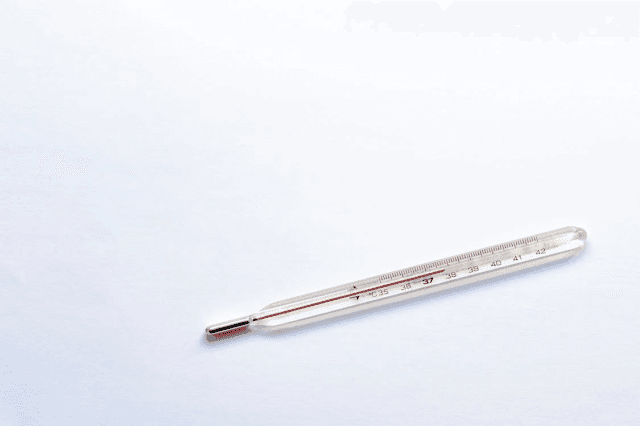
Fever is a common symptom that indicates your body is fighting off an infection or illness. While it can be uncomfortable, understanding how to manage a fever properly is essential for a more manageable recovery. Here, we discuss practical strategies to help you stay comfortable and support your body's healing process.
What Causes a Fever?
A fever occurs when your body's internal thermostat, located in the hypothalamus, raises your temperature above the normal range (about 98.6°F or 37°C). This response often signals that your immune system is active, fighting viruses, bacteria, or other pathogens.
Common causes of fever include:
- Viral infections such as colds, flu, or COVID-19.
- Bacterial infections like strep throat or urinary tract infections.
- Inflammatory conditions, including autoimmune diseases.
- Reactions to medications or vaccinations.
Understanding the underlying cause of a fever is important for determining the appropriate care.
Stay Hydrated
Why Hydration Matters
When you have a fever, your body loses fluids more rapidly due to sweating and an increased metabolic rate. Dehydration can worsen symptoms and slow recovery, making it important to replenish fluids regularly.
Tips for Staying Hydrated
- Drink water frequently: Sip small amounts throughout the day rather than drinking large quantities all at once.
- Try electrolyte-rich fluids: Drinks like oral rehydration solutions or sports drinks can help restore electrolytes.
- Eat hydrating foods: Broths, soups, and water-rich fruits like watermelon can supplement your fluid intake.
- Avoid diuretics: Limit caffeine and alcohol as they can exacerbate dehydration.
Use Fever Reducers When Needed
Over-the-Counter Options
Medications such as acetaminophen (Tylenol) and ibuprofen (Advil, Motrin) can help lower fever and alleviate discomfort. These medications are safe for most people when taken as directed, but always consult a healthcare provider if you're unsure.
Guidelines for Use
- Follow the dosage instructions on the packaging.
- Avoid taking multiple medications with the same active ingredient.
- Consult a doctor before giving fever reducers to children or infants.
When to Avoid Fever Reducers
If the fever is low-grade (below 102°F or 38.9°C) and not causing significant discomfort, consider letting it run its course. Fevers are part of the body's natural defense mechanism and don't always need to be suppressed.
Rest and Relaxation
Why Rest Matters
Your body needs extra energy to fight off illness, and rest allows it to focus on healing. Overexertion can prolong recovery and exacerbate symptoms.
Tips for Effective Rest
- Create a comfortable environment: Use lightweight, breathable fabrics and keep the room at a comfortable temperature.
- Prioritize sleep: Aim for at least 7-9 hours of sleep each night.
- Limit screen time: Bright screens can disrupt sleep patterns and strain your eyes.
- Practice relaxation techniques: Deep breathing or meditation can reduce stress and promote rest.
Cooling Strategies
How to Stay Comfortable
While fever is a natural response, it can make you feel hot and uncomfortable. Simple cooling techniques can help without interfering with the body's healing process.
Cooling Methods
- Use a damp washcloth: Apply a cool, damp cloth to your forehead or wrists.
- Take a lukewarm bath: Avoid cold water as it can cause shivering, which raises body temperature.
- Dress lightly: Opt for loose, breathable clothing.
- Keep the room ventilated: Use a fan or open a window to maintain airflow.
Know When to Seek Medical Help
Warning Signs to Watch For
While most fevers are harmless, certain situations require medical attention. Seek help if you experience any of the following:
- Fever above 103°F (39.4°C).
- Persistent fever lasting more than three days.
- Severe headache, stiff neck, or rash.
- Difficulty breathing or chest pain.
- Confusion or persistent lethargy.
Special Considerations
- Infants and young children: A fever in infants under three months old is considered an emergency. Always consult a pediatrician.
- Chronic conditions: If you have a pre-existing condition like diabetes or heart disease, contact your doctor for guidance.
Home Remedies to Support Recovery
Herbal Teas
Teas like chamomile, ginger, or peppermint can soothe symptoms and provide mild hydration. Chamomile is known for its calming properties, while ginger can help with nausea and inflammation. Always check for potential allergies or interactions with medications.
Honey and Lemon
Mixing honey and lemon in warm water can alleviate throat discomfort and provide a comforting drink. Honey has natural antibacterial properties, which can help fight infections, while lemon provides vitamin C to support the immune system. This combination also helps to break down mucus and soothe a sore throat.
Humidifiers
Using a humidifier can prevent dry air from irritating your nasal passages and throat, especially during respiratory illnesses. It helps maintain moisture in the air, making it easier to breathe and reducing symptoms like congestion and dry skin. A humidifier can also help ease coughing and promote better sleep by keeping the airways moist.
Monitor Your Symptoms
Keeping Track
Regularly monitoring your fever helps you understand its progression and decide when additional care may be necessary. Use a reliable thermometer to take readings every few hours.
Record Additional Symptoms
Note any accompanying symptoms, such as:
- Changes in appetite.
- Unusual fatigue.
- Worsening pain or discomfort.
Keeping a log can provide helpful information for healthcare providers if you need to seek treatment.
Convenient and Reliable Documentation with My Dr's Note
Managing a fever doesn't have to be a prolonged, uncomfortable experience. By staying hydrated, using fever reducers appropriately, and knowing when to seek medical attention, you can recover more comfortably.
If you're unable to attend work or school due to illness, having an online doctor's note can provide the necessary documentation for your absence. If you need an online doctor's note for work or school, or FMLA certification, My Dr's Note provides convenient and reliable services to support your health needs.
Contact My Dr's Note today for more information!
About the Author
Sarah Lee is a health and wellness writer with over a decade of experience in providing educational content on managing common illnesses. She is passionate about empowering readers with practical and research-backed advice to improve their well-being.