

A sprained ankle is one of the most common injuries that can happen during physical activity, a simple misstep, or even while walking. Proper care is essential to ensure healing and prevent long-term issues. This guide will help you understand how to manage a sprained ankle with practical tips for rest and recovery.
What Happens When You Sprain Your Ankle?
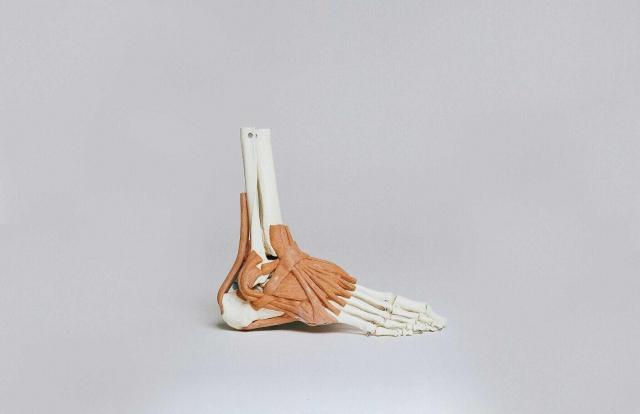
A sprain occurs when the ligaments around your ankle are stretched or torn, often due to twisting or rolling the foot. The severity can range from mild (slight stretching) to severe (complete tearing). Common symptoms include swelling, bruising, pain, and limited mobility. Knowing the cause and symptoms helps you address the injury appropriately.
The Importance of Rest and Recovery
Taking time to rest is important to allow damaged tissues to heal. Attempting to "push through" the pain can worsen the injury, prolong recovery, and increase the risk of permanent damage. Giving your body the time it needs to repair ensures better outcomes and reduces the chances of re-injury.
Immediate Steps to Manage a Sprained Ankle
Rest
As soon as you injure your ankle, stop any activity and avoid putting weight on the foot. Use crutches or a brace if needed to keep the weight off the injured area. Rest is the foundation of recovery and helps minimize additional strain on the ligament.
Ice
Apply an ice pack wrapped in a cloth to the affected area for 15-20 minutes every 1-2 hours during the first 48 hours. Ice helps reduce swelling and numb pain. Avoid applying ice directly to the skin to prevent frostbite.
Compression
Wrap your ankle with an elastic bandage to control swelling and provide support. Be careful not to wrap it too tightly, as this can restrict blood flow. Compression not only supports the injured area but also helps manage swelling effectively.
Elevation
Raise your ankle above the level of your heart whenever possible. This helps reduce swelling by promoting fluid drainage from the affected area. Elevation works best when combined with rest and ice.
Pain Management Techniques
Over-the-Counter Medications
Nonsteroidal anti-inflammatory drugs (NSAIDs) like ibuprofen or acetaminophen can help relieve pain and reduce inflammation. Always follow the recommended dosage on the label and consult a doctor if you have any concerns.
Natural Remedies
Some people find relief by soaking their feet in warm water with Epsom salt after the initial swelling subsides. Herbal anti-inflammatory creams can also be helpful. These methods offer alternative ways to manage discomfort while complementing traditional approaches.
Why Proper Rest Matters
Rest allows your ligaments to heal and prevents further injury. Even if the pain starts to subside, avoid resuming high-impact activities until your ankle has regained strength and stability. Rushing recovery can result in chronic issues, such as weakness or repeated sprains.
Exercises for Recovery
Gentle Stretches
Once the swelling and pain decrease, begin gentle stretches to restore mobility. Start with toe-pointing and ankle circles. These exercises improve flexibility and prepare your ankle for more advanced strengthening routines.
Strengthening Exercises
Introduce resistance bands to strengthen the ankle muscles gradually. Balance exercises, like standing on one foot, can also improve stability. Strengthening the muscles around your ankle reduces the risk of future injuries and promotes long-term health.
Physical Therapy
For severe sprains, a physical therapist can create a customized recovery plan to rebuild strength and prevent re-injury. Physical therapy can also address any lingering issues, such as stiffness or reduced range of motion.
When to Seek Medical Help
While many sprains can be managed at home, some situations require professional care. Seek medical attention if you experience:
- Severe pain or inability to bear weight
- Extreme swelling or bruising
- No improvement after a few days of self-care
- Recurrent ankle sprains
These signs may indicate a more serious injury, such as a fracture or complete ligament tear, which requires specialized treatment.
Long-Term Care and Prevention Tips
Supportive Footwear
Always wear shoes that provide proper arch support and cushioning. Avoid high heels or unsupportive footwear that can increase the risk of twisting your ankle. Investing in quality footwear reduces the likelihood of accidents.
Warm-Up Before Activity
Take time to stretch and warm up your muscles before exercising or engaging in sports. A proper warm-up prepares your body for physical activity and lowers the chance of injury.
Use Braces or Tape
If you're prone to ankle injuries, consider using an ankle brace or tape for added support during physical activity. These tools provide extra stability and reassurance.
Maintain Balance and Strength
Incorporate balance and strengthening exercises into your routine to reduce the likelihood of future sprains. Activities like yoga or pilates can enhance your overall stability and coordination.
Avoid Uneven Surfaces
Be cautious when walking or running on uneven terrain. If possible, stick to flat surfaces to minimize the risk of rolling your ankle.
Additional Recovery Tips
Stay Patient
Recovery takes time, and rushing the process can lead to setbacks. Listen to your body and adjust your activities accordingly. Patience is a key part of healing.
Monitor Your Progress
Keep track of your symptoms and improvements. If you notice any worsening or new issues, consult a healthcare professional. Monitoring helps ensure you're on the right track.
Stay Active Within Limits
While rest is important, light activities such as swimming or stationary cycling can maintain overall fitness without putting stress on your ankle. Consult your doctor before starting any new exercise.
Obtain Reliable Documentation with My Dr's Note
Taking proper care of a sprained ankle is important for a full recovery. Whether it's rest, ice, compression, or elevation, each step contributes to healing. If you're unable to work or attend school due to the injury, a real doctor's note for work can help you document your recovery period.
With My Dr's Note, you can easily obtain the documentation you need. Contact My Dr's Note today to get an online doctor's note and focus on your recovery without additional stress. Learn more now!
About the Author
Lauren Mitchell is a certified wellness coach specializing in holistic health and recovery. With over 4 years of experience, she is passionate about helping individuals improve their overall well-being through personalized lifestyle changes and practical advice. Lauren frequently shares her expertise through articles and community workshops.