Maintaining cleanliness in a healthcare environment is more than just about appearance. For facility managers, hiring a cleaning provider who understands clinical protocols is essential to safeguarding patients and staff. With rising hygiene expectations and compliance regulations, selecting the right cleaning partner means choosing a team trained in proper disinfection, cross-contamination prevention, and regulatory standards. Here's a detailed checklist to help facility managers evaluate a prospective healthcare center cleaning provider.
1. Experience in Healthcare Environments
Cleaning a hospital or clinic isn't the same as cleaning a retail store or office building. Healthcare settings demand a higher level of attention to safety, hygiene, and infectious disease control. Any cleaning provider under consideration should have verifiable experience in working with medical facilities. This includes familiarity with patient rooms, surgical suites, treatment areas, waiting rooms, and administrative offices. Providers should be trained in handling biohazards, using hospital-grade disinfectants, and understanding high-risk zones.
2. Compliance With Industry Standards
Any healthcare cleaning provider must follow regulations outlined by the Centers for Disease Control and Prevention (CDC), the Occupational Safety and Health Administration (OSHA), and, when applicable, the Association for the Healthcare Environment (AHE). These standards exist to reduce the risk of healthcare-associated infections (HAIs) and ensure the safety of patients and staff alike.
3. Infection Control Knowledge
Effective infection control goes beyond basic cleaning. A qualified provider should understand how to reduce cross-contamination using color-coded tools, designated cleaning paths, and procedures for isolating potentially infectious waste. They should also know which disinfectants are appropriate for different types of surfaces in medical environments, especially where vulnerable or immunocompromised patients are present.
4. Janitorial Services and Floor Care Capabilities
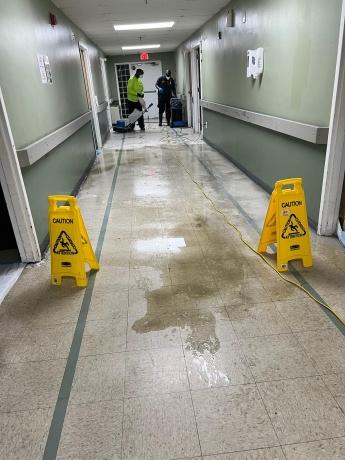
Regular janitorial services are the backbone of any cleaning program, particularly in environments with high foot traffic like clinics and hospitals. In addition to daily restroom cleaning and trash removal, floor care is critical for both sanitation and safety. A reliable cleaning provider should be able to maintain everything from hard flooring to carpeted administrative areas using safe and appropriate techniques.
Look for companies with experience in industrial floor waxing and commercial floor cleaning, as proper maintenance of surfaces minimizes slip hazards and helps preserve facility assets. Consistent janitorial performance ensures that cleanliness isn't just scheduled—it's sustained.
5. Carpet and Upholstery Care
Waiting areas, consultation rooms, and staff lounges often contain fabric furnishings and carpets that can harbor allergens, bacteria, and odors. Cleaning providers should offer specialized services for these materials using low-moisture techniques and equipment designed to extract debris effectively without damage.
A provider offering medical office carpet cleaning and upholstery cleaning services in Kansas City helps maintain a hygienic and welcoming space. These services play an important role in reducing airborne particles and contributing to overall air quality in enclosed environments.
6. Staff Training and Background Checks
Healthcare environments require trust. Anyone working inside a hospital or clinic must be properly trained and vetted. Cleaning crews should undergo background checks, receive safety training, and be educated on patient confidentiality and facility-specific expectations.
Cleaning staff should wear identifiable uniforms and ID badges. A consistent team helps build familiarity and improves cleaning efficiency. When assessing a company offering janitorial services, it's important to confirm that team members are reliable, trained, and monitored for quality assurance.
7. Flexible Scheduling and Minimal Disruption
Healthcare facilities operate on tight schedules, and cleaning services must adapt to those rhythms. Whether cleaning needs to happen overnight, during low-traffic hours, or around emergency operations, flexibility is essential. A provider should offer scheduling that causes minimal interruption to medical workflows.
This flexibility becomes especially important during flu seasons or high-volume periods. A cleaning company serving clinic cleaning services should offer scalable support, capable of adjusting team sizes and visit frequency based on the needs of the facility.
8. Transparent Pricing and Service Agreements
Before finalizing a contract, managers should look for clear pricing and well-defined service agreements. A reputable company will explain exactly what services are included, how frequently they'll be performed, and what standards must be met. They should also offer detailed invoicing and respond promptly to service issues or emergencies..
Ready to Improve Healthcare Facility Standards?
Choosing a healthcare cleaning provider isn't about going with the lowest bid—it's about selecting a team trained in safety, sanitation, and professional standards. From medical cleaning services to janitorial services, facility managers should look for providers that offer experience, training, proper certifications, and flexibility. A company that understands the demands of healthcare environments adds value far beyond surface-level cleaning.
If you're looking for consistent support in healthcare janitorial services, commercial floor cleaning, or commercial cleaning services in Kansas City, MO, reach out to Extra Hands Service. Schedule your custom cleaning plan and receive 10% off—up to $2,000—for first-time service agreements.
Contact them today
About the Author
Lena Marshall is a facility operations writer with a background in health administration and workplace compliance. She specializes in healthcare support services, OSHA protocols, and infection control strategies. Her work helps healthcare managers make informed decisions on safety and sanitation solutions. Outside of writing, she is involved in volunteer programs focused on patient wellness and public health education.