

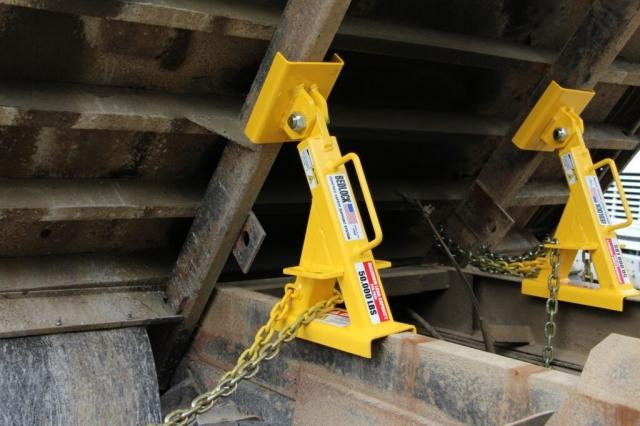
Truck bedlocks are essential safety equipment for anyone who owns a truck. They prevent the bed from opening while the truck is in motion, ensuring the safety of both the driver and pedestrians.
However, even with such a simple device, there are common mistakes that people make when using them.
Here are the top five mistakes to avoid:
1. Incorrect Installation
Incorrect installation is one of the most frequent and potentially dangerous mistakes when it comes to bedlocks. These critical components are designed to secure and stabilize heavy-duty vehicles, ensuring that the bed remains locked in place during transit or while stationary. However, if not installed correctly, bedlocks can fail to perform their intended function, leading to severe consequences such as accidental release or shifting of the vehicle bed, which can pose serious safety hazards both for the driver and surrounding individuals.
Improper installation can arise from several factors, including incorrect torque settings, failure to align components properly, or using incompatible hardware. Even a minor deviation from the manufacturer's instructions can compromise the bedlock's performance, leading to malfunctions or damage to the vehicle.
To avoid these risks, it's essential to strictly adhere to the installation guidelines provided in the manufacturer's manual. This includes using the correct tools, securing all bolts and fasteners as specified, and performing any required calibrations.
2. Forgetting to Engage the Lock
Forgetting to engage the bedlock is a surprisingly common oversight, yet it can lead to significant safety risks. The truck bedlock is essential for securing the bed or trailer attachment to the truck, preventing it from shifting or detaching while in motion. Failing to engage the lock could result in unstable cargo or, in the worst case, a dangerous separation of the bed from the truck.
This mistake can be easily avoided by incorporating a routine check into your pre-drive inspection. Make it a habit to visually inspect the lock mechanism or give it a quick test pull before hitting the road. A moment of attention can save you from potential accidents, costly repairs, or even serious injuries. Prioritizing this simple task can ensure a safer and smoother journey every time.
Overloading the Bed
Overloading the truck bed is a common mistake that can lead to serious issues, especially if the vehicle is frequently used for hauling heavy loads. When the weight of the cargo exceeds the truck's designated capacity, it puts immense strain on key components, such as the bedlock and suspension system.
The bedlock, which helps secure the truck bed in place, may become compromised under excessive weight, potentially leading to mechanical failure or even structural damage. This not only endangers the truck's functionality but also poses safety risks on the road, such as instability or difficulty braking.
To avoid these problems, it is essential to always check the truck's maximum payload capacity, which is typically listed in the owner's manual or on the door jamb sticker. By staying within this limit, you protect the truck bedlock, suspension, and overall durability of the truck.
3. Using a Damaged Bedlock
If the bedlock becomes damaged, it can severely compromise both its functionality and safety. Signs of damage may include visible cracks, bends, or warping, all of which weaken the structural integrity of the bedlock. Continuing to use a damaged truck bedlock increases the risk of tire slippage, deflation, or complete failure while driving.
4. Neglecting Maintenance
Proper maintenance is essential for the optimal performance and longevity of any truck bedlock, ensuring it functions smoothly and securely over time.
Neglecting this essential task can lead to various issues that compromise both the lock's effectiveness and its lifespan.
Regular Inspections
Frequent inspections are the cornerstone of effective maintenance. Over time, wear and tear can cause components of the bedlock to degrade.
Lubrication
Lubrication is important for maintaining the smooth operation of a bedlock's moving parts. Dry or rusty components can cause friction, leading to difficult operation or even damage. Apply a high-quality lubricant as recommended by the manufacturer.
Cleaning
Dirt and debris can accumulate in and around the bedlock mechanism, affecting its performance. Regular cleaning helps prevent these contaminants from causing blockages or mechanical issues. Use a soft, dry cloth to wipe down the lock and a small brush or compressed air to remove debris from hard-to-reach areas.
Functional Checks
Periodically test the bedlock to ensure it operates correctly. Check the locking mechanism by engaging and disengaging it several times to confirm the smooth operation. If you notice any stiffness, unusual noises, or resistance, investigate the cause and address it promptly.
5. Addressing Issues Promptly
If you discover any issues during your inspections or functional checks, address them immediately. Small problems, if left unattended, can escalate into larger, more costly repairs.
Whether it's tightening a loose screw, replacing a worn-out part, or applying more lubricant, timely intervention helps maintain the bedlock's integrity and effectiveness.
Looking for exceptional truck repair safety equipment for your heavy-duty vehicles?
Check out BedLock Safety Products.
They provide top-notch truck repair safety products that are affordable and well-crafted. Their products include dump body safety stands, dump body safety props, truck bed locks, dump box safety stands, and much more.
Contact them or visit their online store today to explore your options.
About the Author
The author is an expert in the maintenance and installation of bedlocks, with extensive experience in ensuring optimal security and functionality for various applications. His passion for sharing knowledge drives him to write informative blogs that help readers understand the intricacies of bedlock installations. Through his detailed and practical insights, he aims to make bedlock systems more accessible and comprehensible, providing valuable guidance for both DIY enthusiasts and professionals in the field.