

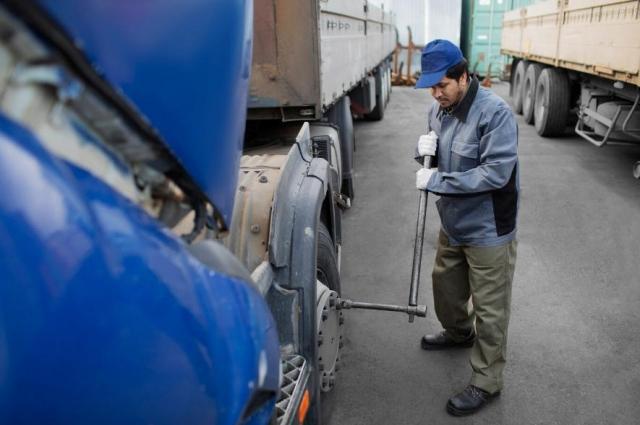
Truck safety is a critical aspect of fleet management, especially when dealing with heavy-duty vehicles that carry large and potentially hazardous loads.
The selection of appropriate safety props, such as dump body safety props and truck bed locks, can make a significant difference in preventing accidents and ensuring the well-being of operators and maintenance personnel.
Choosing the right safety equipment involves understanding the specific needs of different types of trucks, the nature of the loads they carry, and the operational requirements of your fleet.
Understanding the Types of Safety Props Available
Before diving into the selection process, it's essential to understand the various safety props available on the market. Common safety props for trucks include:
- Dump Body Safety Props:These are used to secure the dump body of a truck in an upright position, allowing for safe maintenance and repairs underneath the truck bed.
- Truck Bed Locks:These devices lock the truck bed in place to prevent unintended lowering or tilting during loading, unloading, or maintenance operations.
- Safety Stands:These are used to support the weight of a truck or its components during maintenance, ensuring stability and preventing accidental collapse.
Each of these safety props serves a distinct purpose and is designed for specific types of trucks and operations.
Factors to Consider When Choosing Safety Props
Selecting the right safety props involves evaluating several factors, including truck size, load type, and operational needs. Here's a closer look at each of these considerations:
1. Truck Size and Configuration
The size and configuration of your trucks play a crucial role in determining the appropriate safety props. For instance, larger trucks, such as dump trucks, typically require more robust safety props due to the increased weight and size of their components. Smaller trucks may need different types of props, designed to support lighter loads.
- Heavy-Duty Trucks:For large vehicles, such as dump trucks and tractor-trailers, heavy-duty dump body safety props and truck bed locks are necessary. These props must be able to withstand the weight and stress exerted by the truck's body during maintenance.
- Medium and Light-Duty Trucks:Smaller trucks may require lighter and more versatile safety props, such as adjustable safety stands or compact truck bed locks, to accommodate different configurations without compromising safety.
2. Load Type
The nature of the loads carried by your trucks is another key factor. Different loads exert varying levels of stress on the truck's body and frame, which in turn affects the choice of safety props.
- Loose Materials (e.g., Gravel, Sand):For trucks carrying loose materials, dump body safety props are essential. These props secure the bed in an elevated position, allowing for easy cleaning and maintenance.
- Heavy Equipment:Trucks transporting heavy equipment or machinery need safety props that can handle the additional weight and provide stability during loading and unloading.
- Hazardous Materials:When dealing with hazardous materials, it's vital to choose safety props that offer maximum security to prevent accidental spills or releases during maintenance.
3. Operational Needs
Every fleet operates differently, and the specific operational needs of your trucks should guide the selection of safety props. Consider the following:
- Frequency of Maintenance:If your trucks require frequent maintenance, investing in durable and easy-to-use safety props, such as quick-locking truck bed locks or hydraulic safety stands, can save time and reduce the risk of accidents.
- Operating Environment:The environment in which your trucks operate also influences the choice of safety props. For example, trucks operating in harsh weather conditions or on uneven terrain may require more stable and weather-resistant safety props to ensure safety.
- Regulatory Compliance:Ensure that the safety props you select comply with local and federal safety regulations. Using certified equipment not only ensures safety but also helps avoid legal complications.
Best Practices for Implementing Truck Safety Props
Once you've selected the appropriate safety props for your trucks, proper implementation is crucial to maximizing their effectiveness. Here are some best practices:
- Regular Inspections:Conduct regular inspections of your safety props to check for signs of wear and tear. Replace any damaged or worn-out props promptly to maintain safety standards.
- Training for Operators:Ensure that all operators and maintenance personnel are adequately trained in the use of safety props. They should understand how to correctly install, use, and remove these devices.
- Routine Maintenance:Perform routine maintenance on safety props, such as lubrication of moving parts and tightening of bolts, to keep them in optimal working condition.
- Document Compliance:Keep detailed records of safety prop inspections, maintenance, and operator training to demonstrate compliance with safety regulations.
By considering these factors and following best practices, fleet managers and truck operators can choose the most appropriate safety props for their trucks, thereby enhancing safety and efficiency in their operations.
Contact BedLock Safety Products for the Best Truck Safety Solutions
BedLock Safety Products specializes in truck safety equipment tailored to your specific needs. Whether you need to dump bed safety support or truck bed locks, their solutions are designed to enhance your workflow by ensuring safe maintenance and operation.
Contact them today to explore their range of truck safety products and secure your fleet.
About the Author
Jason P. Langdon is an experienced safety consultant with over 13 years of expertise in the trucking and logistics industry. He specializes in fleet safety management and the implementation of advanced safety protocols to ensure the well-being of truck operators and maintenance personnel.